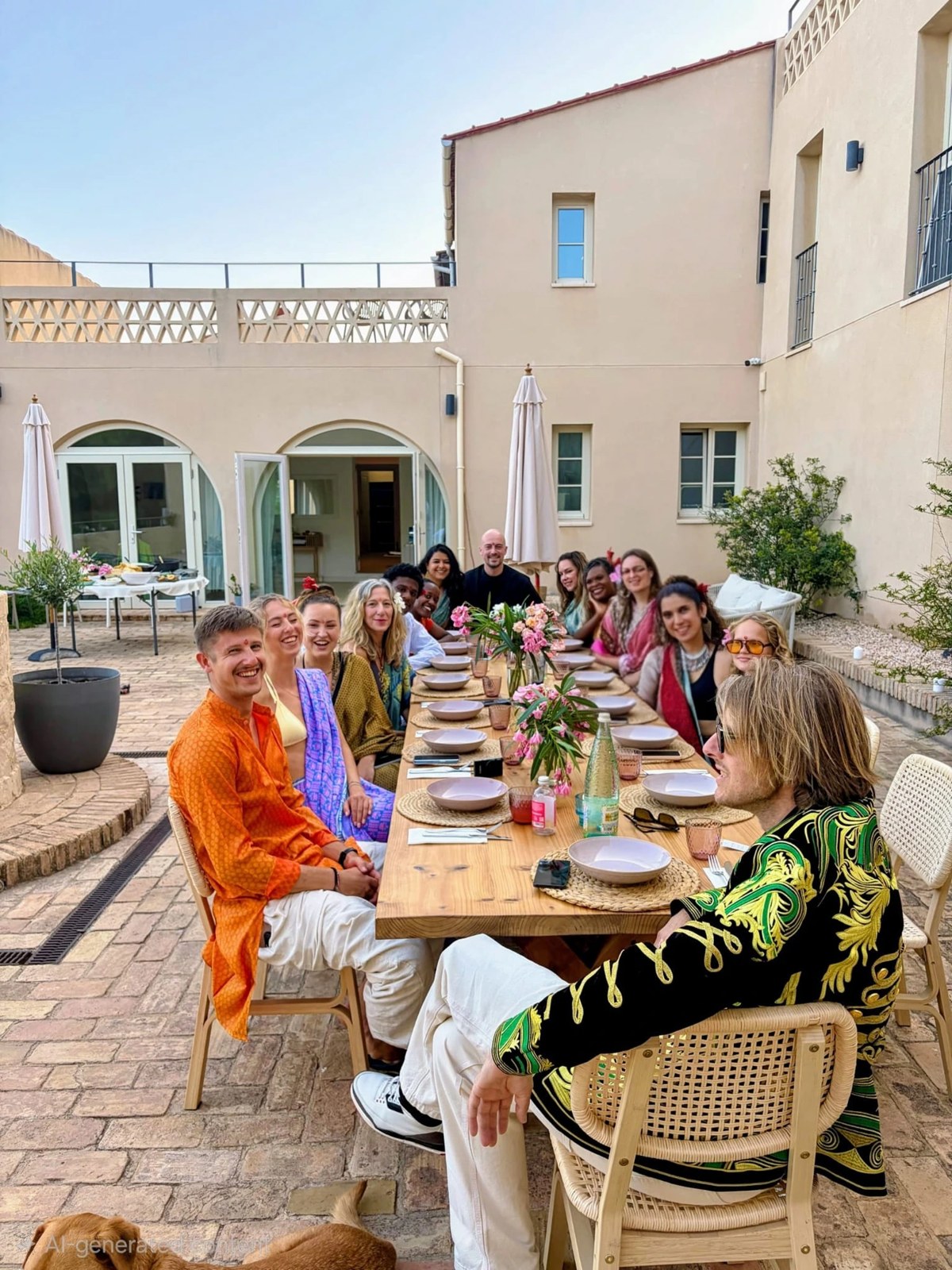
There's a moment at almost every first dinner here. A new guest sits down at our long table — twelve or so people, paella, the sun dropping behind the Calderona — and at some point they look around and ask, quietly, like they're checking the exits:
"So… nobody drinks? At all?"
Nobody drinks. At all. And then dinner runs three hours anyway, and somewhere around hour two you can watch the realisation land on their face: oh — it was never the wine doing the work.
Twenty years of watching the shortcut
I spent two decades in hospitality before I opened Savi. If you want to understand a person's relationship with alcohol, spend twenty years building and running the places designed around it. Every venue, every event, every "networking evening" — the entire social architecture of hospitality rests on the same load-bearing wall: drinks first, connection maybe.
And it works, sort of. Alcohol is a shortcut to the feeling of closeness. The problem with shortcuts is that they don't take you to the actual destination. You get the warmth without the memory, the conversation without the follow-through, the thousand almost-friendships that evaporate by morning.
Then remote work happened to me, the way it happened to everyone. Freedom, sunshine, a laptop — the life people post about. And quietly, underneath it, the thing nobody posts: some weeks the only person who said my name out loud was a delivery driver. There's no hashtag for eating dinner alone in paradise for the hundredth night.
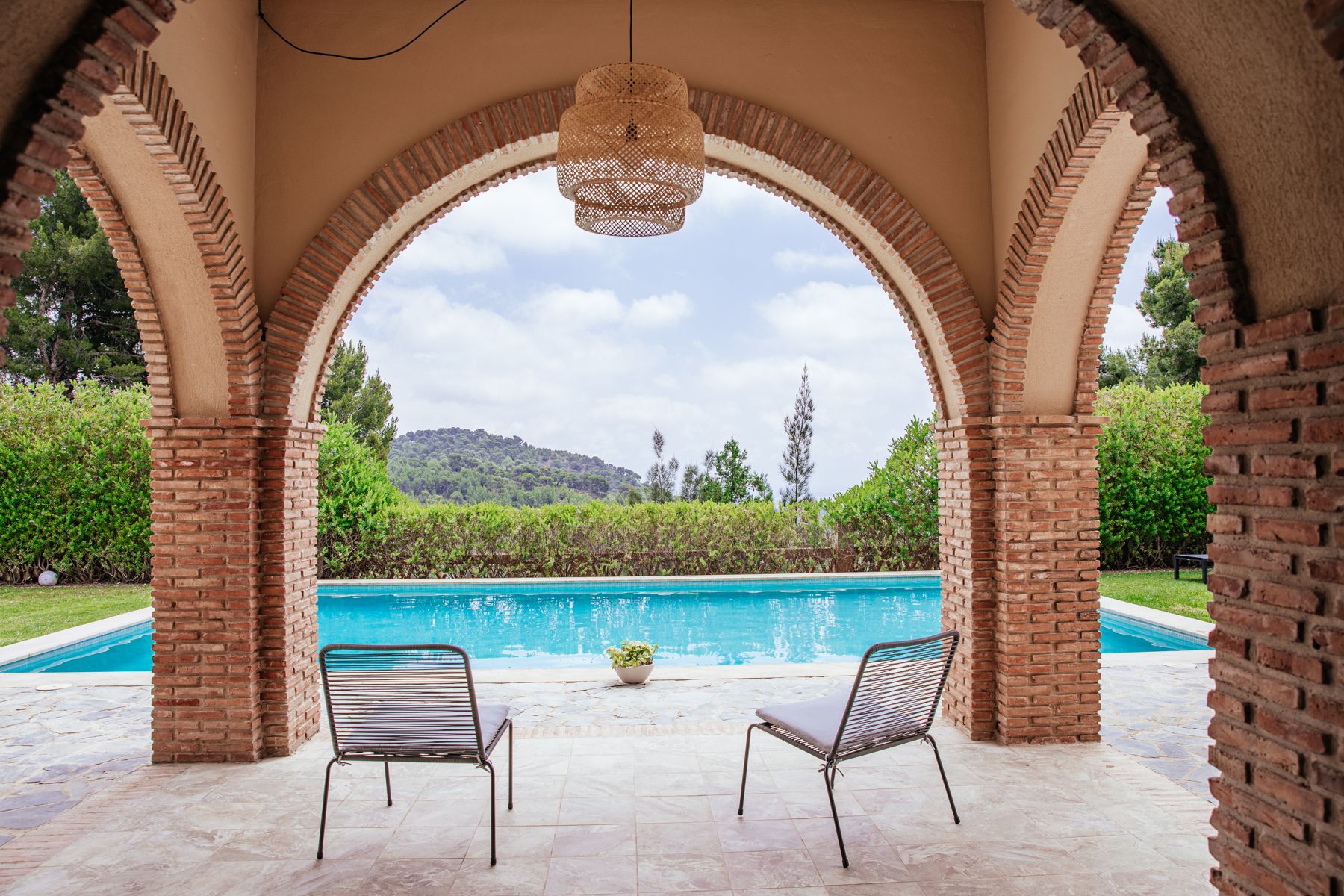
So I did something unreasonable. I took everything I knew about how spaces shape behaviour, found an old 18-room villa in the Sierra Calderona mountains — twenty-five minutes from Valencia, forty minutes past convenient — and removed the load-bearing wall entirely.
No bar. No beer in the fridge. No "just one won't hurt."
In Spain. The country that perfected the sobremesa.
What everyone said would happen
I heard every version of it. Nobody will travel to the middle of nowhere to not drink. You're shrinking your market to nothing. Digital nomads want Lisbon rooftops and Bali beach bars. A sober house will feel like a clinic. You'll be empty by Christmas.
We opened in July 2025. We've run at 95–98% occupancy ever since — no paid advertising, no booking platforms, no discounts.
As I write this, the house is fully booked until late October, there's a waitlist for autumn, and Savi has just won Best Destination Coliving at the Coliving Awards — a category built on one question: will people actually travel for this?
They travel for this.
Who actually comes
Not who you'd guess. The stereotype is someone white-knuckling recovery in the hills. The reality at our table on any given night: a founder who stopped drinking because it was costing her companies; a developer years into recovery; a consultant who never had a "problem" but got tired of every friendship being scheduled around bars; a designer who just wanted to feel sharp for once on a workation instead of writing off every morning.
Some are sober. Many are what the industry now calls sober-curious. Most are simply done organising their entire social life around a drink.
And the data says they're not a niche — they're a wave.
The sober-travel wave, in numbers
49%
of Americans actively trying to drink less (2025)
65%
of Gen Z planned to cut back on alcohol this year
+200%
growth in "sober travel" searches, year on year
4 in 5
young travellers would consider a fully sober trip
This isn't a pendulum swing; it's a generation quietly renegotiating its relationship with alcohol — and then booking travel that matches. The travel industry's answer so far has mostly been mocktail menus. With respect: a mocktail menu is not a community.
What a sober house is actually like
Here's the honest answer, because it surprised even me.
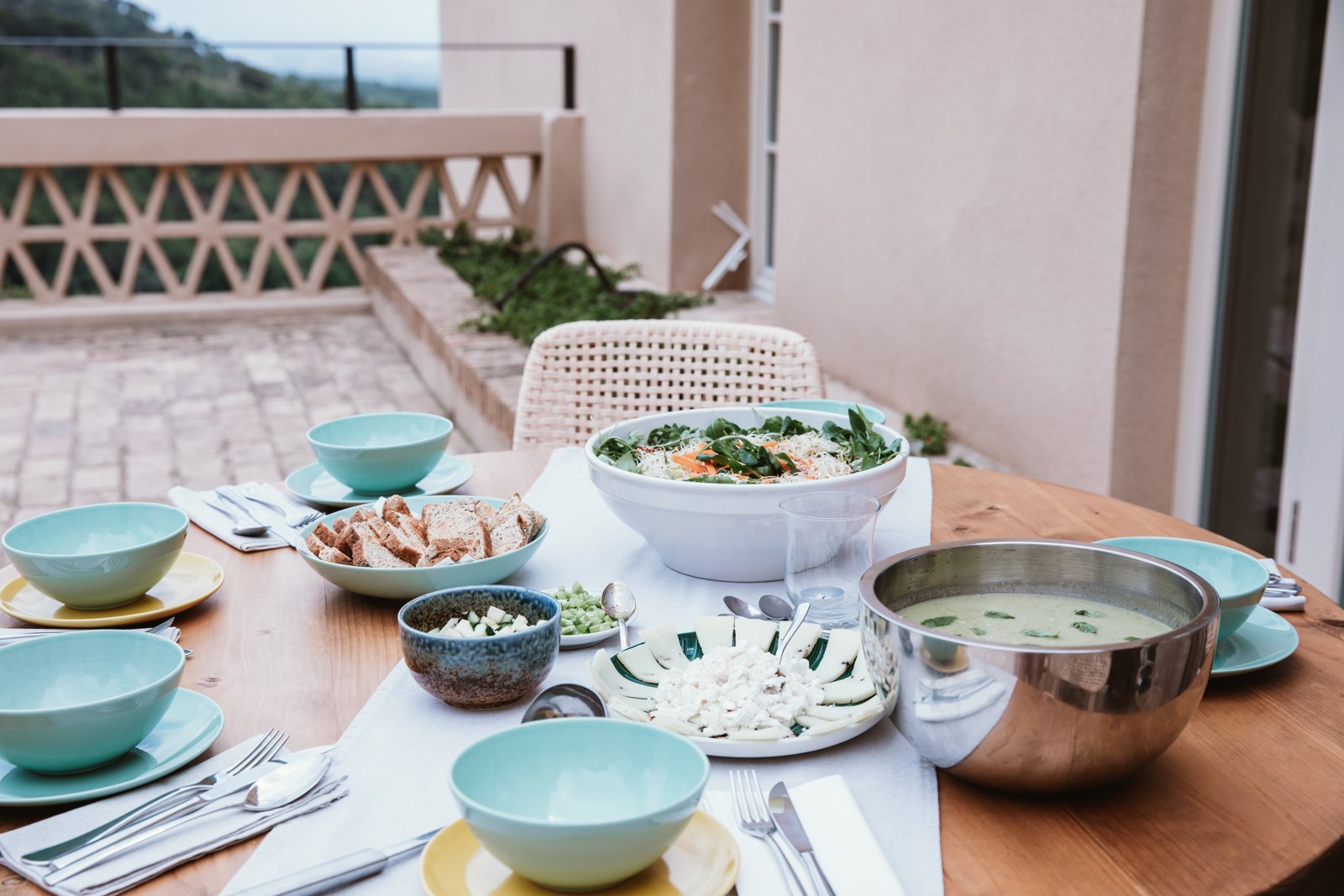
It's louder than you'd think. Dinners run long. Conversations go deeper faster, because nobody's waiting for the second glass to say the true thing. People remember what you told them on Tuesday and ask about it on Friday — which sounds small until you realise how rare it's become.
The mornings are the real product. Nobody's hungover, so the 7am hike actually happens. The cold plunge happens. The run club that someone announces at 6pm in our house app has four people at the door twenty minutes later. Deep work actually gets done, which is why founders keep extending their stays — the house is quiet from nine to one in a way no "party coliving" can promise.
And the friendships hold. That's the part I'd tell my twenty-five-year-old bartending self: connection built without the shortcut doesn't evaporate. Guests leave and come back. They meet up in other countries. They message the house group chat from three time zones away because someone finally shipped the thing they'd been talking about at dinner.
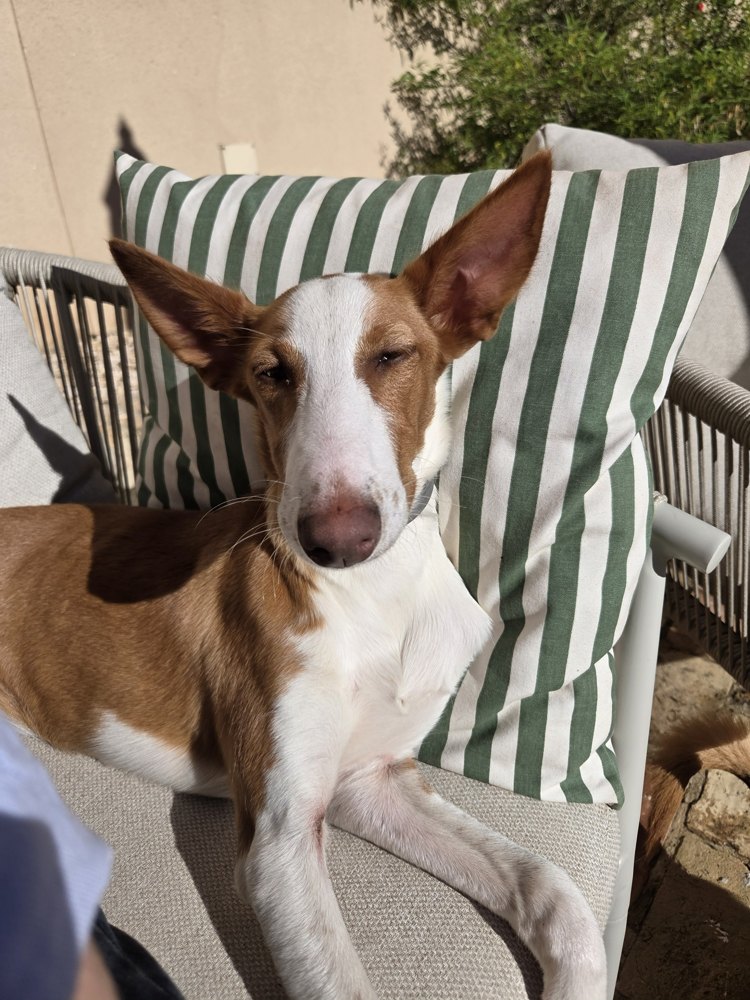
One judgmental podenco called Jenny supervises all of it. She has never once needed a drink to make a friend, and frankly the humans are catching up to her methodology.
What I've learned, two years of nights at that table later
Sobriety was never the product. Presence is the product.
Removing alcohol just removes the option to outsource connection to a substance — and it turns out that when you take the shortcut away, people don't connect less. They connect properly.
That's the bet nobody believed: not that people would give something up, but that they'd travel a long way for what appears when it's gone.
The sober-travel world isn't coming. It's here, it's growing, and it's not asking permission. If you're building in hospitality and you're still treating alcohol-free as a dietary requirement instead of a design principle, you're about to be surprised by your own market.
And if you're one of the people this article is quietly describing — years sober, cutting back, or just tired of every trip revolving around drinks — two doors are open.
Join Sober Nomads
Our free community for sober & sober-curious travellers
Join the waitlist
The house, if you can get a room — Jenny does the final vetting
A clear mind, in good company.
— Steve
Steve Haynes is the founder of Savi Coliving, a sober coliving villa in the Sierra Calderona mountains near Valencia, Spain, and winner of Best Destination Coliving at the Coliving Awards 2026.